
Looking for real, research-backed information about creatine monohydrate?
You’re in the right place. Creatine isn’t a trend — it’s one of the most extensively studied and consistently proven performance supplements in existence.
If your goals include greater strength, more muscle, faster recovery, and improved high-intensity performance, creatine belongs in your toolkit. Here’s everything you need to know.
What Is Creatine Monohydrate?
Creatine is a naturally occurring compound stored primarily in your skeletal muscle. Your body synthesizes it from amino acids, and you absorb small amounts through dietary sources like red meat and fish — but not nearly enough to saturate your muscles’ capacity.
Supplementing with creatine monohydrate bridges that gap. By increasing the amount of creatine stored in your muscles, you directly enhance your body’s ability to produce energy during short, explosive efforts — the kind that drive real athletic results.
That’s why it’s a cornerstone supplement for:
- Weightlifting and powerlifting
- Sprinting and explosive athletics
- CrossFit and functional fitness
- Combat sports and tactical performance
- Any sport demanding repeated high-intensity bursts
How Does Creatine Work?
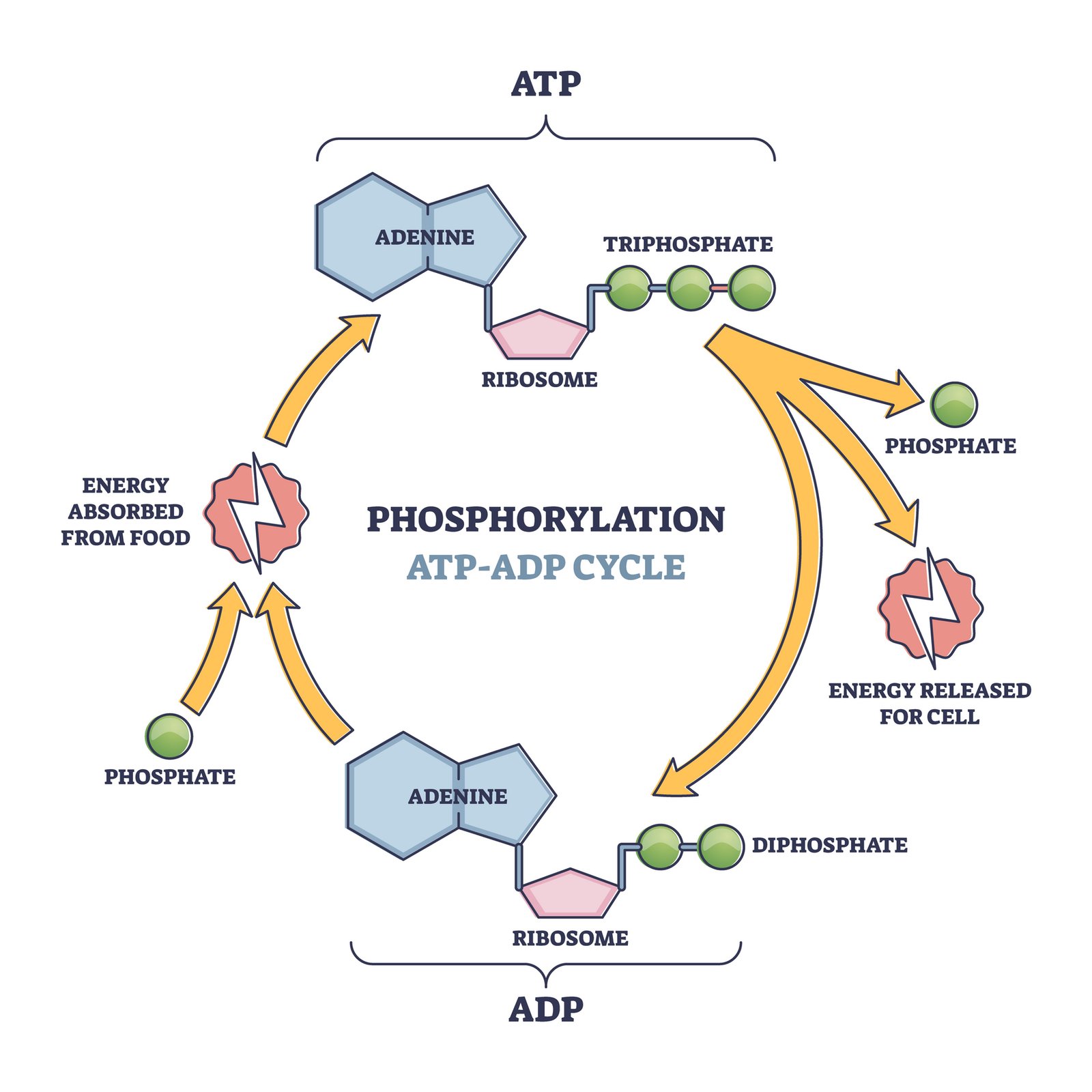
Creatine increases your stored phosphocreatine, which your body uses to rapidly regenerate ATP (adenosine triphosphate) — the primary fuel source for explosive muscle contractions. When ATP is depleted mid-set or mid-sprint, performance drops sharply. Creatine slows that decline by accelerating ATP resynthesis.
Think of creatine as upgrading your energy system — not stimulating it like caffeine, but fundamentally increasing its capacity.
The practical result: more reps, more power output, more total training volume, and — over time — greater muscle growth.
1. Increased Strength and Power Output
Across hundreds of peer-reviewed studies, creatine consistently improves performance in high-intensity resistance and power-based training. It’s not subtle — the strength gains are measurable and repeatable.
2. Greater Muscle Growth Over Time
More training capacity means more mechanical stimulus, which means more hypertrophy. Creatine also promotes intracellular hydration — drawing water into the muscle cell itself — which supports cell volume, protein synthesis signaling, and the visibly fuller look of a well-fueled muscle.
3. Enhanced Recovery Between Sessions
Research suggests creatine may reduce markers of muscle cell damage and systemic inflammation following intense training. This can translate into shorter recovery windows and higher-quality sessions over the long term.
4. Cognitive Performance Support
Emerging research points to creatine’s role in brain energy metabolism — particularly under conditions of mental stress, sleep deprivation, or cognitive load. While not as well-established as its muscular benefits, this is an active and promising area of study.
Creatine Dosage: How Much Should You Take?
Standard Daily Dose: 3–5 Grams
This is the evidence-based maintenance dose for most adults. You have two approaches to reach full muscle saturation:
Loading Phase (Optional, Faster Saturation)
- 20 grams per day, split into 4 servings of 5g, for 5–7 days
- Then drop to 3–5 grams daily for maintenance
- Reaches full saturation in about one week
- May cause minor GI discomfort in sensitive individuals
No Loading (Simpler, Equally Effective)
- 3–5 grams daily from day one
- Full saturation is reached in approximately 2–4 weeks
- Generally better tolerated
Bottom line: both protocols work. Consistency matters far more than which approach you choose.
When Is the Best Time to Take Creatine?
The research on timing is clear; it isn’t critical. Creatine works through cumulative muscle saturation, not acute pre-workout loading, the way caffeine does.
Common and effective approaches include taking it post-workout alongside carbohydrates, using it with any regular meal to aid consistency, or simply taking it at the same time each day so you don’t forget. Choose whichever timing you’ll actually maintain.
Does Creatine Cause Water Retention?
Yes — but not in the way most people fear. Creatine draws water into the muscle cell itself (intracellular hydration), not into the space between your skin and muscle. That distinction matters enormously.
The result is fuller, more volumized muscles and improved performance. You won’t look bloated or puffy. The scale may tick up by 1–3 pounds initially, but this reflects stored water in muscle tissue, not subcutaneous puffiness.
Is Creatine Safe?
Creatine monohydrate is among the most thoroughly researched supplements in the history of sports nutrition. The evidence for safety in healthy individuals is extensive and consistent:
- Long-term use (years) has not shown adverse health effects in healthy adults
- It is not a steroid — it has no hormonal mechanism of action
- Creatine does not damage healthy kidney function; concerns stem from a misunderstanding of early case reports
- The hair loss association comes from a single small study and has not been replicated
As with any supplement, individuals with pre-existing medical conditions — particularly kidney disease — should consult a physician before starting.
Who Should Take Creatine?
Creatine is appropriate and beneficial for a wide range of people:
- Strength athletes, powerlifters, and bodybuilders
- Tactical professionals (military, law enforcement, firefighters)
- Combat athletes and team sport players
- Anyone engaged in regular high-intensity training
- Aging adults looking to preserve lean muscle and functional strength — an increasingly important application backed by strong research
If you train consistently and want a measurable, evidence-based performance edge, creatine is as foundational as it gets.
How Long Does Creatine Take to Work?
With a loading protocol, many people notice strength improvements within 1–2 weeks as muscles saturate quickly. Without loading, expect meaningful results in the 2–4 week range as levels build more gradually.
Muscle fullness often appears earlier — sometimes within the first week — as the intracellular hydration effect kicks in before strength adaptations fully develop.
The Bottom Line
Creatine monohydrate is safe, proven, and effective. Few supplements come close to its depth of research and consistency of results. If you’re serious about performance, recovery, or longevity — start here.