
How This Performance Staple Supports Brain Health, Mental Clarity, Memory, and Cognitive Endurance
When most people hear “creatine,” they think bigger lifts, harder workouts, and better muscle recovery. Fair. That’s what made it famous.
But here’s what doesn’t get enough attention: creatine isn’t just for biceps — it’s for your brain.
At Battlefield Essentials, we build supplements for total performance — physical and mental. And creatine is one of the few compounds that supports both.
Let’s break down what creatine actually does for brain health, how it works, who benefits most, and how to use it strategically.
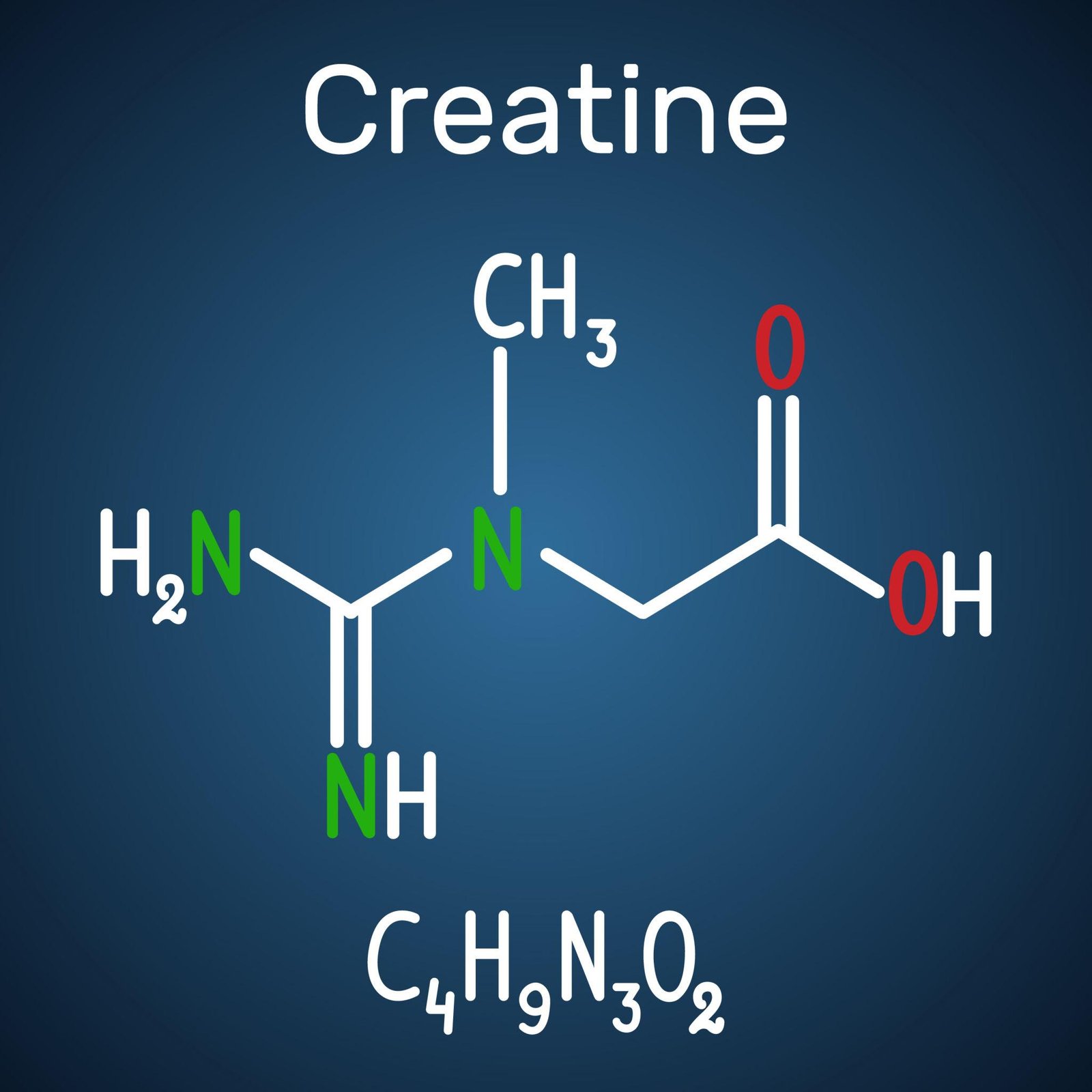
Creatine is a naturally occurring compound made from three amino acids: arginine, glycine, and methionine. Your body produces it in the liver and kidneys, and you also get small amounts from red meat and fish.
It’s stored primarily in muscle tissue — but here’s the key point:
Your brain also stores and uses creatine.
Creatine helps regenerate ATP (adenosine triphosphate), the primary energy currency of your cells. Every thought, memory, and decision you make requires ATP.
No ATP? No performance. Simple as that.
Why the Brain Needs Creatine
The human brain uses roughly 20% of your body’s total energy, despite making up only about 2% of body weight.
Cognitive tasks like:
Problem solving
Memory recall
Focus under stress
Reaction speed
Sleep-deprived performance
…all rely on rapid ATP regeneration.
Creatine supports this process by increasing phosphocreatine stores in the brain, thereby replenishing ATP faster.
In other words:
Creatine helps your brain sustain output when demand spikes.
Creatine and Cognitive Performance: What the Research Suggests
While creatine is best known in sports science, cognitive research has been quietly building.
Studies suggest creatine supplementation may support:
1. Working Memory
Improved short-term memory performance, especially in sleep-deprived individuals.
2. Mental Fatigue Resistance
Creatine appears to help reduce cognitive fatigue during prolonged mental tasks.
3. Reaction Time
Some research shows faster information processing under stress conditions.
4. Sleep Deprivation Performance
When you’re running on fumes, creatine may help preserve mental output.
This is particularly relevant for:
Shift workers
Military personnel
Students
High-stress professionals
Tactical athletes
Entrepreneurs operating at max capacity
Sound familiar?
Creatine and Brain Health
Beyond short-term performance, researchers are exploring creatine’s potential role in long-term neurological support.
Emerging evidence suggests creatine may support:
Cellular energy metabolism in the brain
Protection against oxidative stress
Mitochondrial function
Neural resilience
While research is ongoing, the mechanism makes biological sense:
Healthy brain cells require efficient energy systems. Creatine strengthens that system.
Who Benefits Most From Creatine for Cognitive Support?
Not everyone experiences identical effects, but certain groups may benefit more:
Vegetarians & Vegans
Because creatine is found in meat and fish, plant-based eaters often have lower baseline creatine stores.
Sleep-Deprived Individuals
If you regularly operate under limited sleep, creatine may help buffer cognitive decline.
High-Stress Professionals
Chronic stress increases cognitive demand and energy turnover.
Aging Adults
Natural creatine stores may decline with age.
Tactical & Performance-Focused Individuals
Mental clarity under pressure isn’t optional; it’s required.
Creatine vs. Traditional Nootropics
Many cognitive supplements rely on stimulants or short-term neurotransmitter modulation.
Creatine is different.
It doesn’t spike dopamine.
It doesn’t overstimulate your nervous system.
It doesn’t crash.
It supports cellular energy infrastructure.
That’s a long-game strategy.
For stacking purposes, creatine pairs well with:
Omega-3 fatty acids
Alpha-GPC
Lion’s Mane
Caffeine (in moderate amounts)
But even on its own, creatine builds a strong cognitive foundation.
There are multiple forms on the market:
Creatine Monohydrate
Creatine HCL
Buffered Creatine
Creatine Nitrate
For brain and muscle performance alike, creatine monohydrate remains the gold standard.
It’s:
The most studied form of creatine
Cost-effective
Highly effective
Safe for long-term use when taken appropriately
Micronized creatine monohydrate mixes better and is typically easier on digestion.
No need to overcomplicate it.
How Much Creatine for Cognitive Benefits?
Standard dosing applies:
3–5 grams daily
You do not need to “cycle” creatine.
Loading phases (20g/day for 5–7 days) are optional but not required. Consistent daily intake saturates stores over time.
For cognitive benefits specifically, consistency is more important than loading speed.
When Should You Take Creatine?
Timing is flexible.
For brain performance, consider:
Morning with breakfast
Pre-work
Pre-training
With your daily hydration routine
Creatine doesn’t function like caffeine. It works through tissue saturation, not acute stimulation.
Think of it as infrastructure — not a quick hit.
Is Creatine Safe for Brain Use?
Creatine is one of the most researched supplements in the world.
For healthy individuals, standard doses are generally considered safe.
Key reminders:
Stay hydrated
Stick to 3–5g daily
Consult your healthcare provider if you have kidney issues or pre-existing medical conditions
Creatine does not damage healthy kidneys when taken responsibly. That myth has been debunked repeatedly in clinical research.
Common Questions About Creatine and the Brain
Does creatine make you smarter?
It doesn’t increase IQ. It supports energy availability for cognitive tasks.
Will creatine make me feel wired?
No. It is not a stimulant.
How long does it take to notice cognitive effects?
Some report subtle improvements within 1–2 weeks. Full saturation may take 3–4 weeks.
Can women use creatine for cognitive support?
Absolutely. Creatine supports cellular energy regardless of gender.
Battlefield Essentials: Built for Total Performance
At Battlefield Essentials, we don’t separate physical performance from mental performance.
Elite output requires both.
Our Battle Ready Creatine Monohydrate is designed for:
Clean mixing
No unnecessary fillers
High-purity creatine
Tactical-level performance standards
Whether you’re grinding through training, leading under pressure, or pushing through long workdays, your brain is in the fight too.
Fuel it accordingly.
Final Takeaway: Creatine Is a Brain Supplement — Not Just a Gym Supplement
If you care about:
Mental clarity
Cognitive endurance
Focus under stress
Long-term brain resilience
Creatine deserves a place in your stack.
It’s affordable.
It’s researched.
It works at the cellular level.
Most people stop at muscle. High performers go further.