
For years, creatine has been treated like a “guys-only” supplement — something reserved for bodybuilders chasing bigger bench numbers. That narrative is outdated.
Creatine is one of the most researched, safest, and most effective performance supplements available. And women may benefit just as much — sometimes even more in specific areas like cognitive performance, muscle preservation, and recovery.
If you’ve ever wondered:
- Is creatine safe for women?
- Will creatine make me bulky?
- Does creatine cause weight gain?
- Should women take creatine daily?
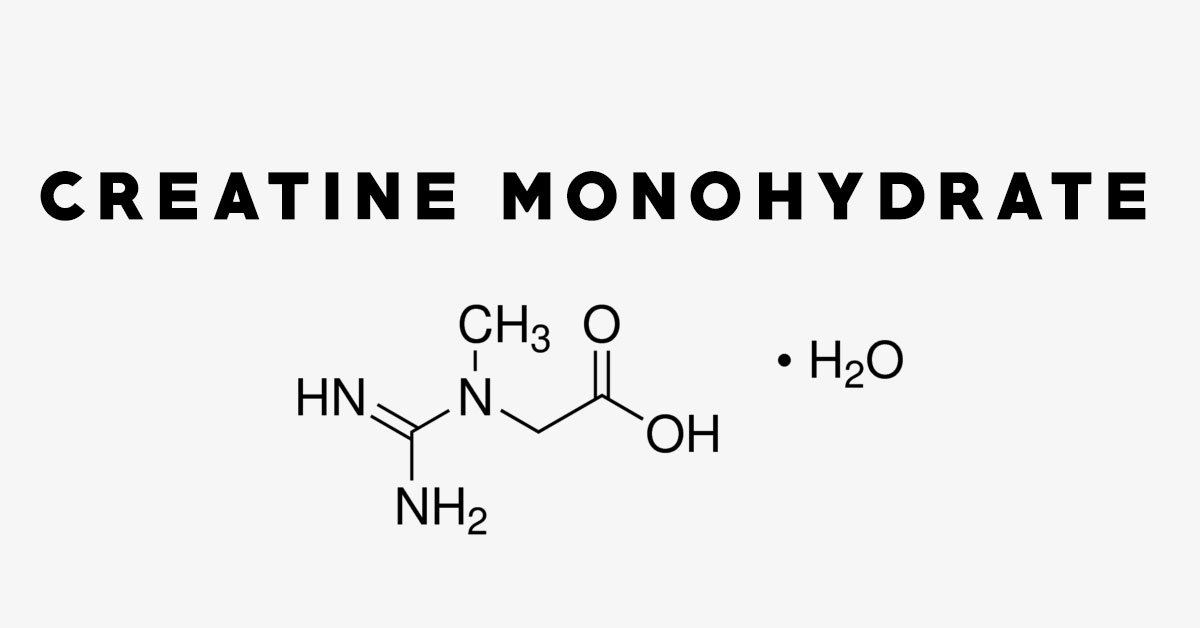
You’re about to get straight answers.
What Is Creatine?
Creatine is a naturally occurring compound found in your muscles and brain. Your body makes it from amino acids, and you also get small amounts from foods like red meat and fish.
Its main job? Energy production.
Creatine helps your body produce ATP (adenosine triphosphate) — the molecule your cells use for quick bursts of energy. When you lift weights, sprint, jump, or perform high-intensity activity, your body relies heavily on ATP.
More creatine = more available cellular energy = better performance.
That’s the foundation.
How Creatine Works in the Female Body
Creatine increases the amount of phosphocreatine stored in your muscles. Phosphocreatine helps regenerate ATP quickly during short, intense efforts.
For women, this translates to:
- More strength during resistance training
- More power output
- More total reps per set
- Faster recovery between sets
- Better muscle preservation
But that’s not the full picture.
Emerging research suggests creatine may also support:
- Brain energy metabolism
- Cognitive function under stress
- Hormonal transitions (perimenopause & menopause)
- Bone health and muscle retention with age
Creatine isn’t just about lifting heavier. It’s about cellular performance.
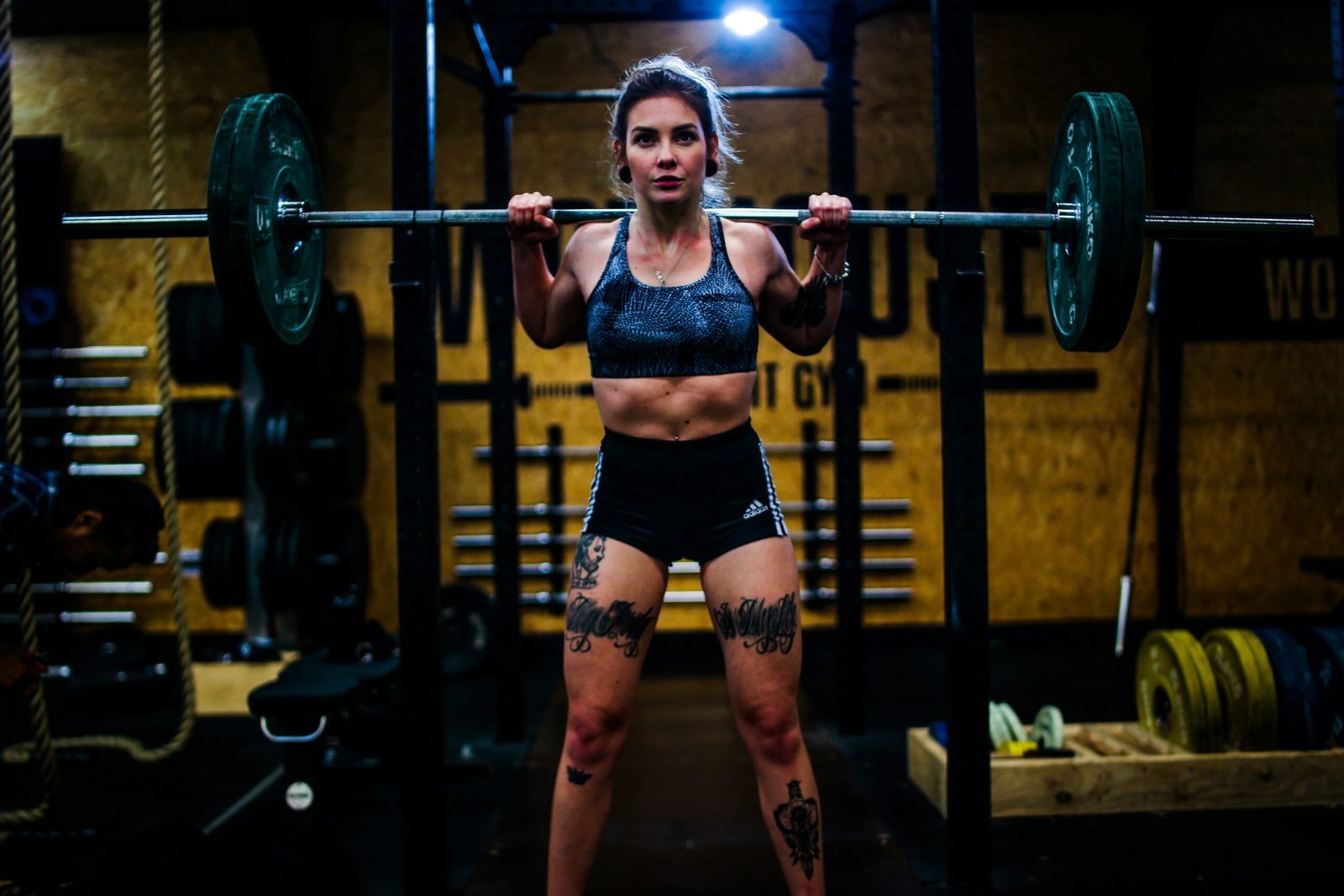
Is Creatine Safe for Women?
Short answer: Yes.
Creatine monohydrate is one of the most studied supplements in sports nutrition. Decades of research consistently show it is safe for healthy individuals when taken at recommended doses (typically 3–5 grams daily).
Let’s tackle the biggest fears head-on.
❌ “It damages your kidneys.”
There is no evidence that creatine harms healthy kidneys. The myth comes from confusion around creatinine, a waste product measured in blood tests. Creatine supplementation can slightly increase creatinine levels, but that does not mean kidney damage.
In healthy individuals, creatine is considered safe.
❌ “It messes with hormones.”
Creatine is not a steroid. It does not disrupt female hormones. It does not increase testosterone to male levels. It supports cellular energy — that’s it.
❌ “It’s only for bodybuilders.”
Creatine supports energy systems. Anyone using those systems — lifters, runners, CrossFit athletes, busy professionals, aging adults — can benefit.
Benefits of Creatine for Women
Now let’s talk about what you actually care about: results.
💪 1. Lean Muscle Development (Without “Bulking”)
Creatine helps increase strength and training volume. When you can lift heavier or perform more reps, you stimulate more muscle adaptation.
For women, this means:
- Increased muscle tone
- Firmer physique
- Improved definition
- Higher resting metabolism
Creatine does not automatically make you bulky. Muscle growth requires progressive resistance training and adequate calories. Creatine simply improves your ability to train harder.
🔥 2. Improved Workout Performance
One of the most immediate benefits of creatine for women is improved performance.
You may notice:
- More reps before fatigue
- Increased strength within weeks
- Better sprint performance
- Faster recovery between sets
If you’re doing HIIT, strength training, sprint intervals, or competitive sports, creatine directly supports those energy systems.
🧠 3. Cognitive & Mental Performance Support
Creatine isn’t just stored in muscle — it’s also found in the brain.
Research suggests creatine may support:
- Mental clarity
- Focus under stress
- Reduced mental fatigue
- Improved memory in certain populations
For women balancing work, family, training, and daily stress, cellular brain energy matters.
🦴 4. Muscle Preservation & Aging Support
Women naturally lose muscle mass as they age, especially during perimenopause and menopause. Muscle is critical for:
- Metabolic health
- Bone density
- Balance and injury prevention
- Insulin sensitivity
Creatine, combined with resistance training, may help preserve lean mass as hormonal levels shift.
This makes creatine for women over 30 — and especially over 40 — increasingly relevant.
Will Creatine Make Women Bulky?
No.
Let’s separate myth from physiology.
Creatine increases intracellular water retention — meaning water is pulled into muscle cells. This can create a slightly fuller, firmer muscle appearance.
That is not bloating.
That is not fat gain.
And it is not instant “bulk.”
Building large amounts of muscle requires years of progressive overload and a caloric surplus. Creatine enhances training performance; it does not override genetics or magically change your body type.
Most women report looking more toned, not bigger.
Does Creatine Cause Weight Gain?
Possibly — but not in the way people fear.
Some women experience:
- 1–3 pounds of water weight in the first 1–2 weeks
- Increased muscle glycogen storage
- Improved lean tissue mass over time
This is intracellular water — stored inside muscle cells — not subcutaneous bloating.
Important distinction:
- Fat gain = caloric surplus
- Creatine-related weight increase = muscle hydration & performance enhancement
If body composition improves while scale weight shifts slightly, that’s progress.
Best Type of Creatine for Women
Let’s keep it simple.
Creatine monohydrate is the gold standard.
You don’t need:
- Creatine ethyl ester
- Buffered creatine
- Liquid creatine
- Proprietary blends
Monohydrate is:
- The most researched
- The most effective
- The most affordable
- The most proven
Look for:
- 3–5 grams per serving
- Micronized form for better mixing
- No unnecessary fillers
Flashy alternatives are usually marketing, not science.
How Women Should Take Creatine
Dosage
3–5 grams daily.
Loading Phase?
Optional. You can start with 20 grams daily (split doses) for 5–7 days, or just take 3–5 grams daily and allow levels to saturate naturally over 3–4 weeks. Both work.
Timing
Timing is less important than consistency.
You can take it:
- Post-workout
- Pre-workout
- With a meal
- Any time of day
Just take Creatine daily.
Hydration, Hydration, Hydration
Drink adequate water. Creatine increases intracellular hydration, so staying hydrated supports performance.
Who Should Consider Creatine?
Creatine for women makes sense if you:
- Strength train
- Do CrossFit or HIIT
- Sprint or play sports
- Want better muscle tone
- Are over 30 and want to preserve lean mass
- Want cognitive support under stress
It may not be necessary if you:
- Do only low-intensity steady-state cardio
- Have no interest in strength, performance, or muscle health
But for active women? It’s one of the most effective supplements available.
Creatine for Women Over 30
This deserves its own section.
As women age:
- Estrogen levels fluctuate
- Muscle mass declines
- Recovery slows
- Bone density becomes more important
Resistance training becomes critical — and creatine enhances resistance training results.
For women over 30 (and especially 40+), creatine can support:
- Lean mass preservation
- Strength retention
- Training performance
- Functional longevity
This isn’t about aesthetics. It’s about resilience.
Common Side Effects of Creatine in Women
Creatine is generally well-tolerated.
Possible mild side effects include:
- Temporary water weight increase
- Digestive discomfort (rare, usually from high doses)
To avoid issues:
- Stick to 3–5 grams
- Use high-quality creatine monohydrate
- Stay hydrated
If you have a medical condition, consult a healthcare professional first.
Final Verdict: Should Women Take Creatine?
If you want:
- More strength
- Better workouts
- Faster recovery
- Improved muscle tone
- Long-term muscle preservation
- Enhanced cellular energy
Creatine is one of the smartest additions you can make.
It is not a “male supplement.”
It is not a steroid.
It is not a shortcut.
It is a foundational performance and health supplement backed by decades of research.
Women deserve the same performance tools as men.
And creatine delivers.